Drayage
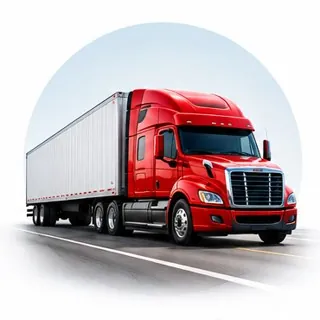
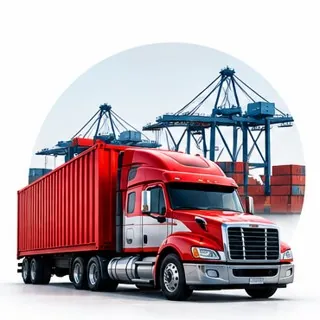
Container pickup and delivery between Southern California ports, rail ramps and your facility.
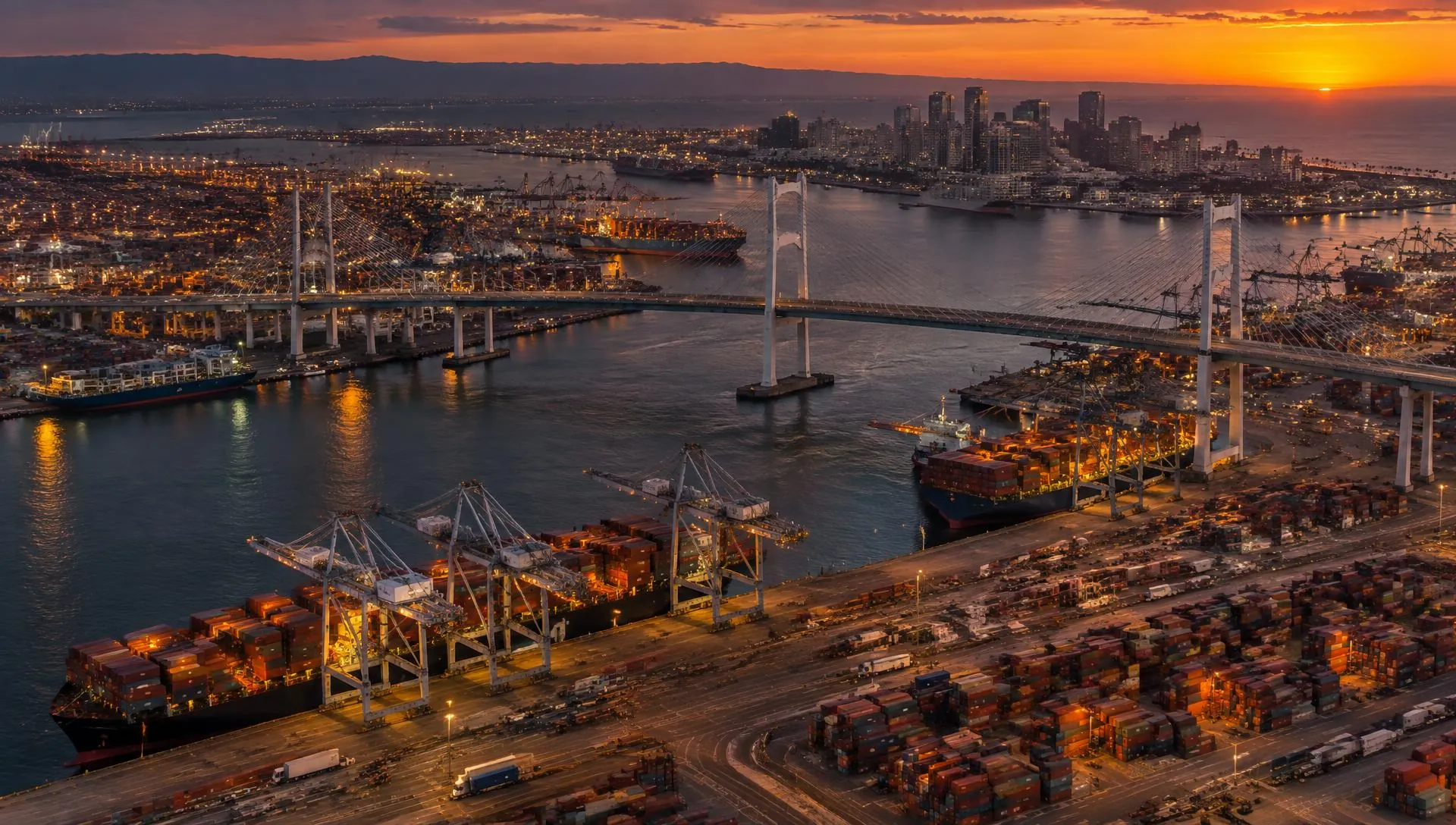

Port of Long Beach logistics, Southern California markets and nationwide trucking.
Get a quoteAsset-Based Port Operations. Nationwide Transportation Reach.
Port drayage, bonded transportation, bonded warehousing, CFS, transloading and nationwide over-the-road trucking — coordinated by one team from the Port of Long Beach.
Port of Long Beach • Drayage • Bonded Warehousing • CFS • Transloading • Nationwide OTR
National Freight & Drayage helps importers, exporters, freight forwarders and businesses coordinate the critical moves between ports, terminals, warehouses and final destinations. From container drayage and transloading to warehousing and inland transportation, we make complex freight movement easier to manage.
3 quick steps
Tell us what you're moving and where it needs to go.
Full freight lifecycle
From container pickup through warehousing, freight handling and final delivery, National Freight & Drayage provides integrated solutions across the freight lifecycle.
Container pickup and delivery between Southern California ports, rail ramps and your facility.
Move in-bond containers from the terminal under our bonded carrier authority.
Store cargo that has not yet cleared customs in a bonded facility until it is released.
Container freight station handling for consolidated and deconsolidated import and export cargo.
Transfer freight from ocean containers into domestic trailers for the next leg.
Short-term storage or a direct dock-to-dock transfer, depending on what your freight needs.
Over-the-road freight from Southern California to destinations across the U.S.
Full truckload and less-than-truckload service sized to your shipment.
One connected operation
One logistics partner can coordinate multiple stages of your freight movement.
Containerized cargo arrives and is unloaded at the marine terminal.
Containers are picked up and hauled from the port or rail ramp.
Cargo is received, devanned, stored or deconsolidated.
Freight is transferred between equipment for the next leg.
Shipments move inland by full truckload or LTL service.
Freight is delivered to the door or distribution center.
Strategic markets
From the Port of Long Beach to key Southern California markets and nationwide freight lanes, we coordinate the logistics that keep your cargo moving.
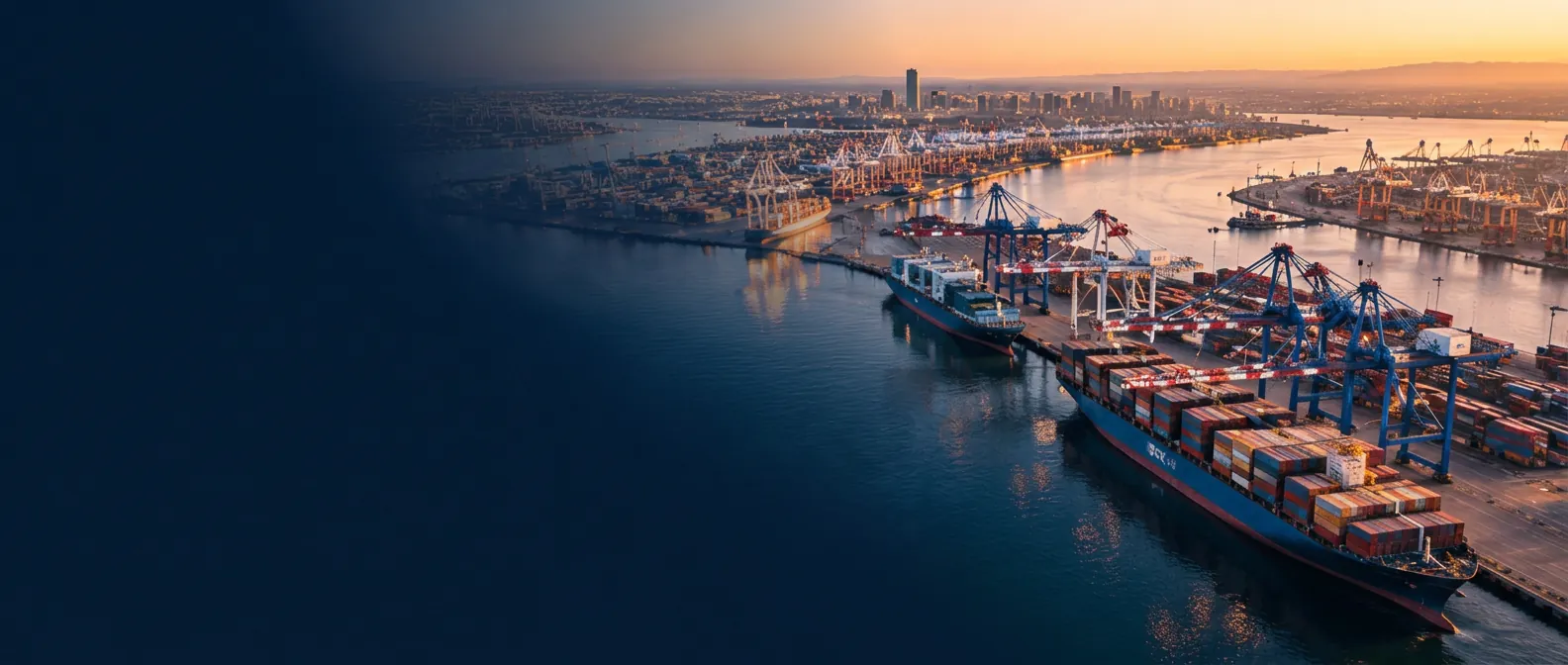
Primary market
Our core logistics hub. Drayage, bonded warehousing, CFS, transloading, and container transportation at one of the world's busiest ports.
Explore Long Beach logistics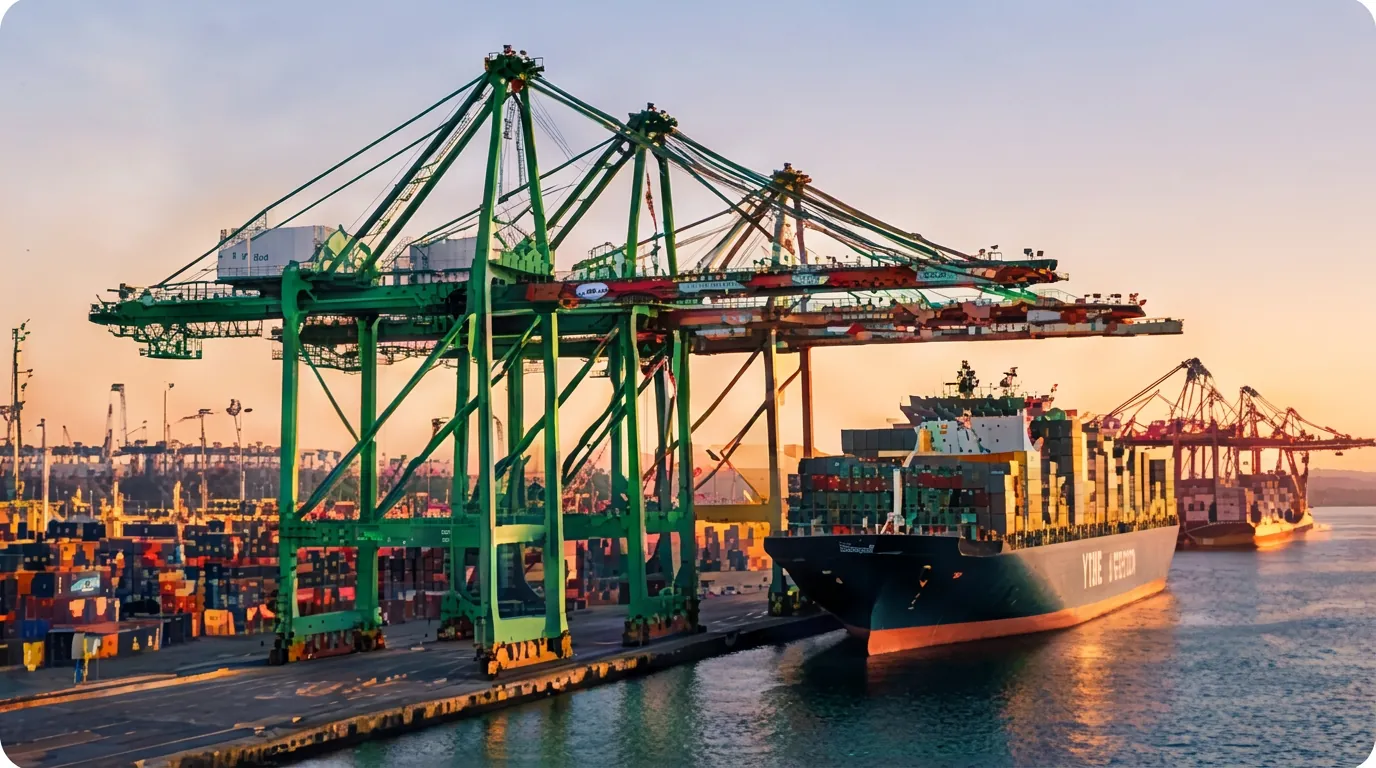
Drayage, container transportation, and port logistics at the San Pedro Bay gateway.
DrayageBonded logisticsCFSContainer truckingTransloading
Explore Los Angeles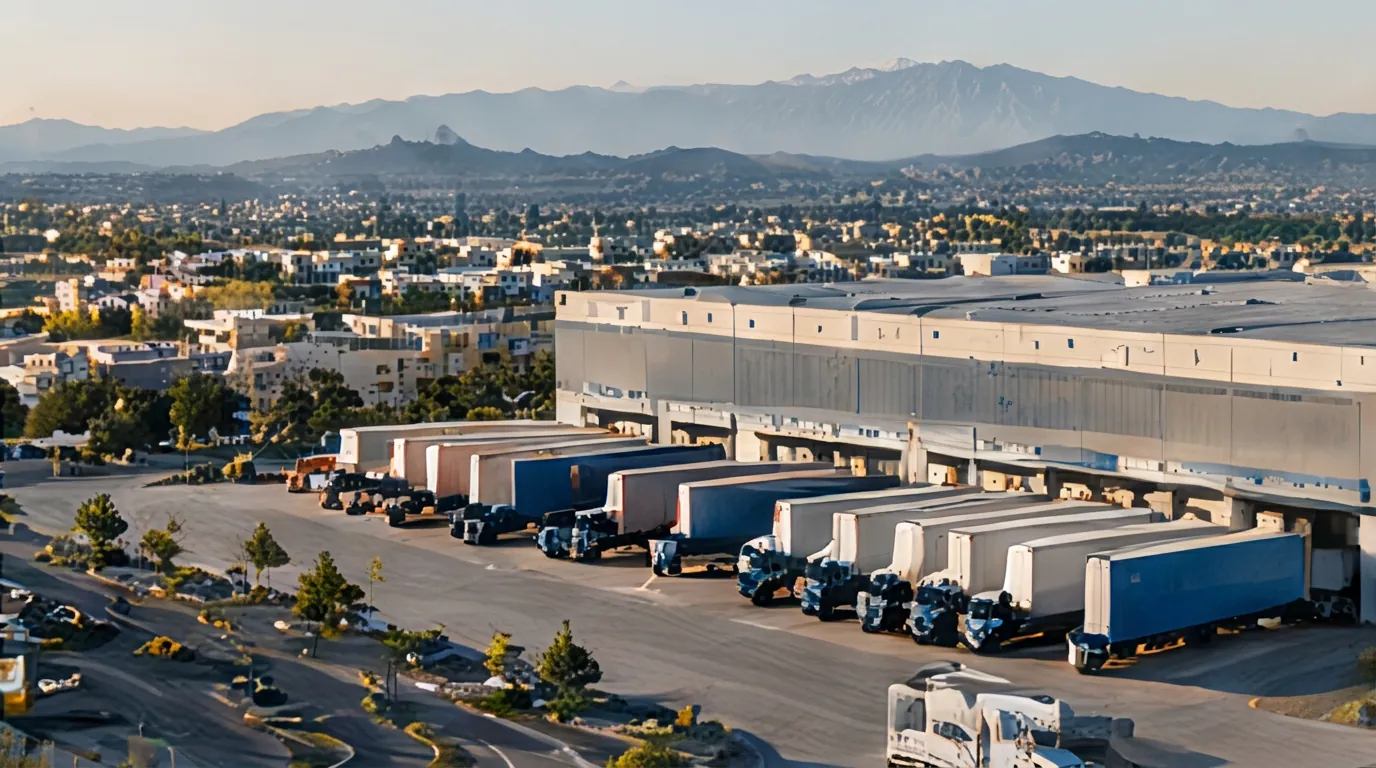
Warehousing, transloading, and inland freight services throughout the region.
DrayageComptonWilmingtonInland EmpireOntarioDistribution
Explore SoCal markets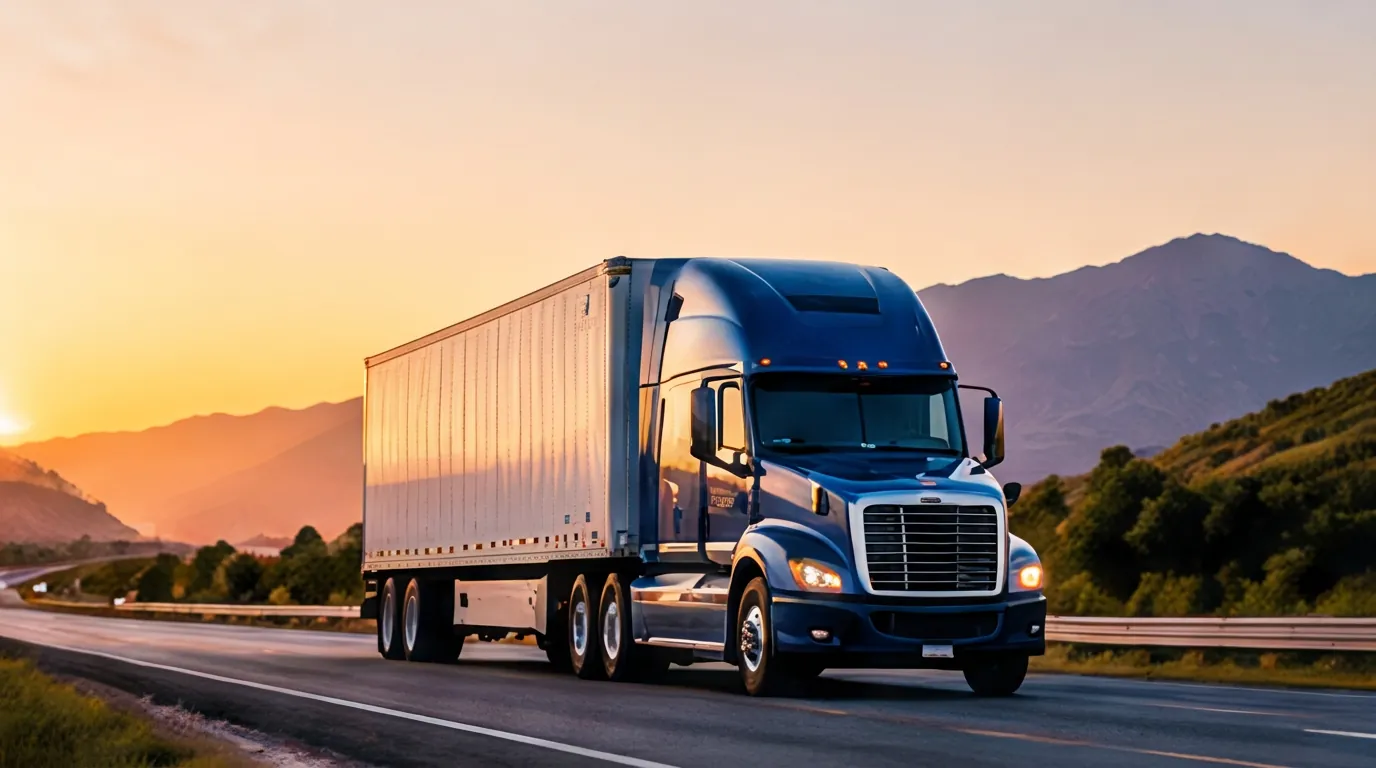
OTR, FTL and LTL transportation across the United States.
OTRFull truckloadLess-than-truckloadDry vanDedicatedExpedited
Explore nationwide
Supported interstate routes connecting major U.S. markets.
CA to AZCA to NVCA to TXCA to ILLA to San DiegoAnd more
View freight lanesLong Beach logistics services
From container pickup and bonded storage to transloading and nationwide transportation, we help importers, freight forwarders, and commercial shippers keep cargo moving through the Port of Long Beach.
Container pickup and transportation from the Port of Long Beach.
Learn moreCustoms-bonded storage and cargo handling through authorized facilities.
Learn moreBonded transportation and in-bond cargo movement.
Learn moreContainer freight station and cargo handling services.
Learn moreContainer unloading, devanning, and freight transfers.
Learn moreCoordinated drayage, warehousing, transloading, and inland transportation.
Learn moreMajor U.S. Container Gateway
Global Trade Connections
Southern California Port Expertise
Nationwide Inland Freight Network
Additional markets
Full truckload and LTL freight from Southern California to destinations across the U.S., plus cross-border service to Canada and Mexico.
Explore nationwide logisticsSupported markets
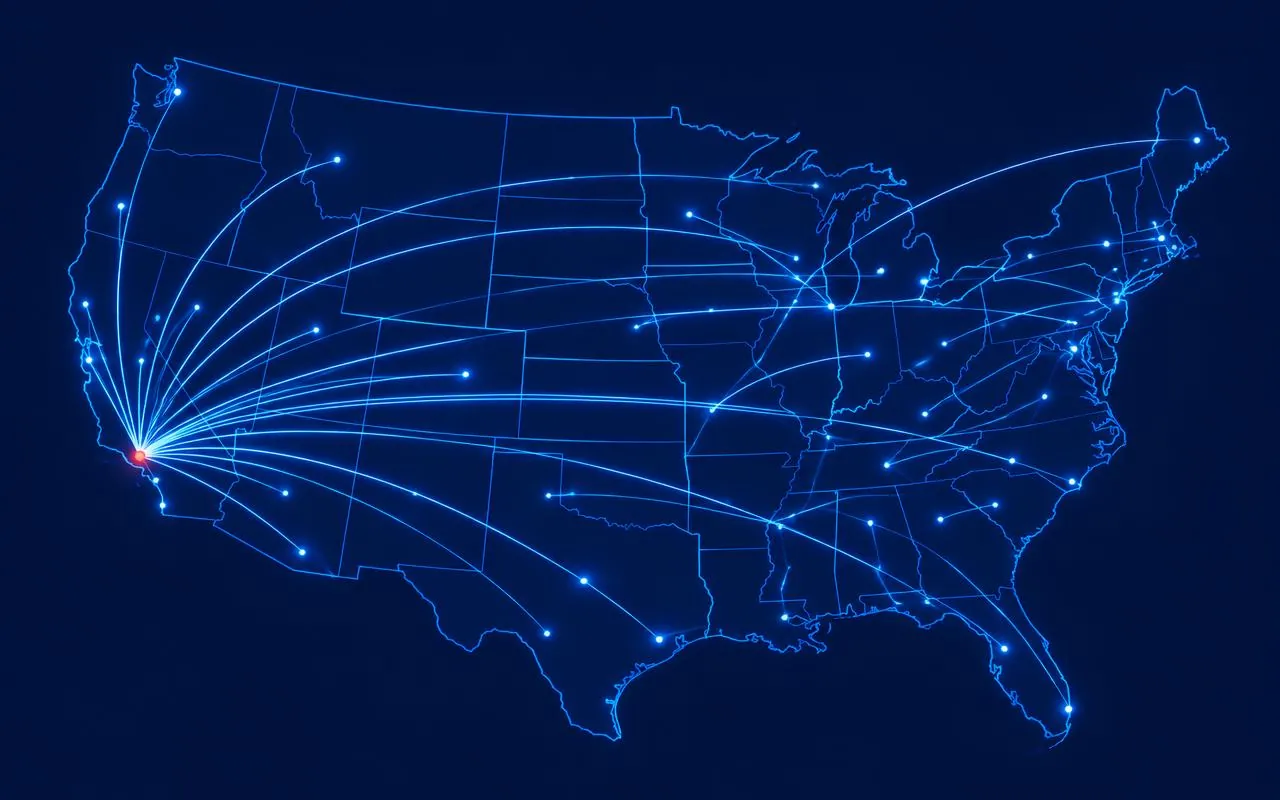
Across the United States
FTL, LTL, dry van and interstate freight moving between markets nationwide — whether cargo starts at a port or at any inland origin.
Dedicated trailer capacity between U.S. markets.
Learn moreShipments that don't need a full trailer.
Learn moreOver-the-road freight across long distances.
Learn moreEnclosed van transportation for palletized and boxed freight.
Learn moreFreight crossing state lines, coast to coast.
Learn more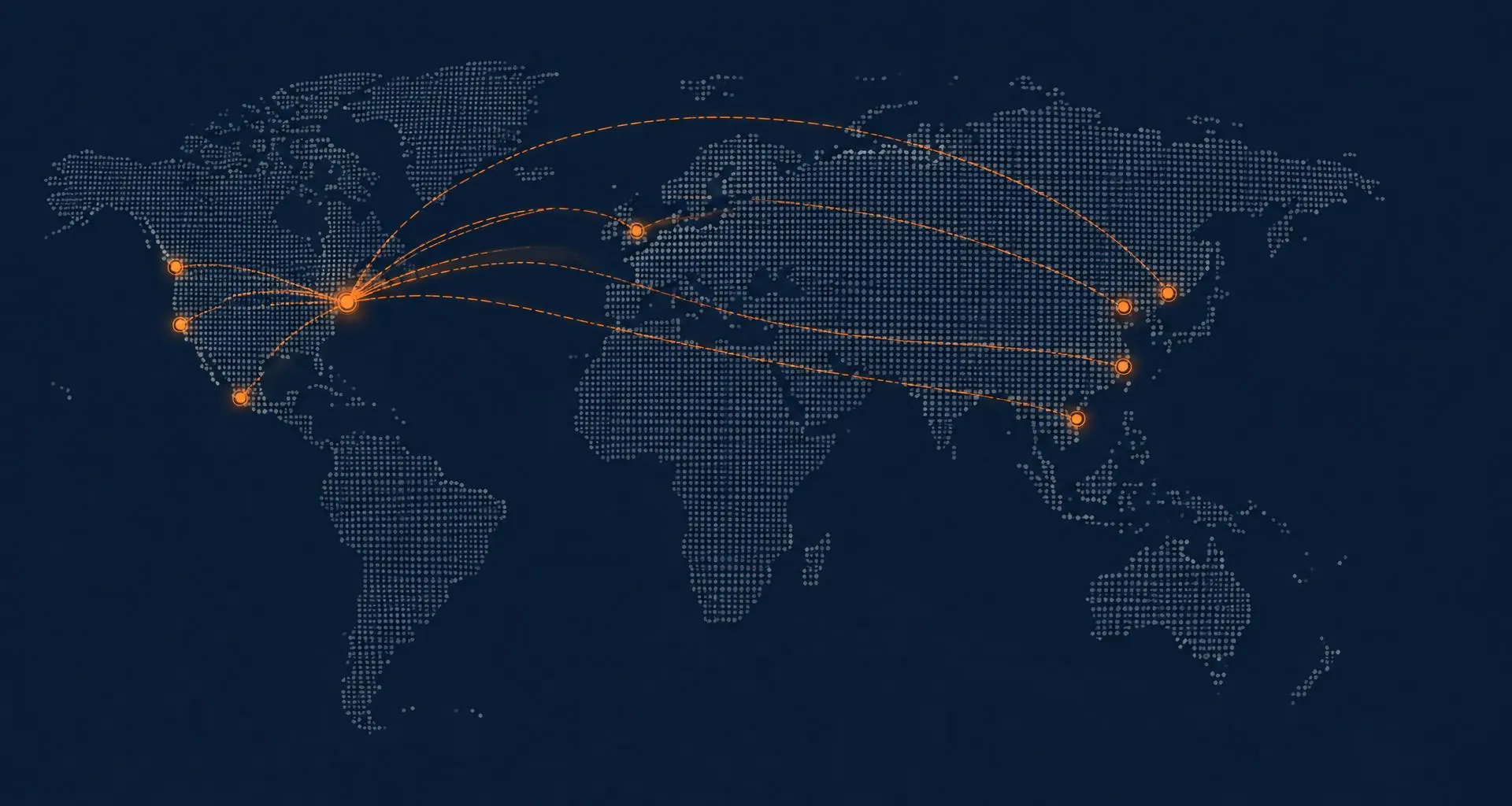
International capabilities
National Freight & Drayage helps importers, exporters and logistics partners move international freight through major North American gateways and onward to its final destination.
Explore international logisticsWho we serve
A business-to-business freight partner — not a consumer moving or parcel company. National Freight & Drayage works with companies that move commercial freight, from a single container to full truckload programs.
Reliable port-to-door execution for your clients' shipments, from container pickup through inland delivery.
Learn moreImport freight moved from the Port of Long Beach and Los Angeles, with CFS and bonded storage support.
Learn moreCoordination with your clearance workflow, including bonded and in-transit cargo handling.
Learn moreInbound materials and outbound freight kept moving with warehousing and truckload capacity.
Learn moreDrayage, transloading and delivery that keeps store-ready freight flowing on schedule.
Learn moreInventory landed, deconsolidated and dispatched to fulfillment centers on your timeline.
Learn moreOperational benefits
What working with National Freight & Drayage looks like operationally — one relationship covering the stages of your freight movement.
Coordinate multiple stages of the freight journey through one relationship.
Connect drayage, warehousing, freight handling and inland transportation.
Support freight requiring bonded transportation, handling or storage where available.
Build logistics solutions around the shipment rather than forcing every customer into the same model.
Access to people who understand ports, freight movement and complex logistics requirements.
Support freight movements throughout major U.S. markets and across North America.
Operational advantages
Around-the-clock dispatch coordination and operational support.
Customer-accessible transportation software for shipment visibility and management.
Electronic data interchange and API capabilities to support customer and operational systems.
Dedicated internal warehouse personnel supporting facility operations.
Live shipment tracking and enhanced freight visibility.
National Freight & Drayage serves businesses moving freight throughout the United States and internationally, with practical support across drayage, warehousing, transloading and road transportation.
Discuss your freightKnowledge base
Practical information for businesses navigating ports, freight transportation, warehousing and international logistics.
Resource
Plain-English definitions of 70+ port, drayage, customs, warehousing and trucking terms.
Read guideResource
What drayage means, the types of drayage moves, who is involved, the rules that apply and what drives drayage cost.
Read guideResource
How customs-bonded warehouses work: the 11 CBP warehouse classes, the five-year rule, entries and withdrawals, manipulation and how they differ from FTZs.
Read guideResource
What a container freight station is, how LCL cargo moves through one, CFS vs. CY terms, the U.S. customs rules behind CFS work, and how CFS charges are billed.
Read guideResource
Plain definitions of transloading and cross-docking, how each works, where they overlap and a decision framework for choosing between them.
Read guideResource
How full truckload and less-than-truckload compare on size, cost, handling and risk, with a break-even method.
Read guideResource
What demurrage and detention are, who charges them, how to avoid them, and the FMC billing rules that govern the invoices.
Read guideResource
What the last free day is, how it is calculated, how holds affect it, and what to do when you are about to miss it.
Read guideResource
How IT, T&E and IE in-bond movements work under 19 CFR Part 18: who files, who carries, the 30-day, 15-day and two-business-day rules.
Read guideThe container was available at the port, but the delivery window was a nightmare to coordinate.
Questions
The law sets minimum windows: a carrier cannot require a claim to be filed in less than 9 months, or a lawsuit in less than 2 years from a written claim denial. Those limits govern the carrier's claim terms. The strongest claims start with a clear exception noted on the delivery receipt and photos taken before the freight is moved.
Interchange paperwork records the container's condition at the point of pickup and gate-out. The driver presents the container number and pickup reference, the terminal mounts the box on the chassis, and the truck clears the out-gate. Equipment availability, weight restrictions, permits, and routing requirements should be confirmed for individual shipments.
The load is braced or strapped, sealed, and documented with its seal number. On a full truckload, the seal number goes on the bill of lading with piece count, weight and references. On a consolidated load, secured with load bars or straps, a manifest lists every shipment, piece count and seal number. That paperwork records what left the dock and under which seal.
A CFS works on the port's clock rather than an ordinary storage schedule. Its work is driven by vessel arrivals, customs and carrier releases, and the need to turn a container fast. That is why its processes, paperwork and charges look different from ordinary storage. Its core jobs are devanning, LCL deconsolidation and consolidation, with counts recorded and freight released to the right consignee.
Clear consignee and house bill marks let a shared container be tallied and staged without delay, while cartons without them take longer. At deconsolidation, the container is devanned, every piece is counted by house bill of lading, and each consignee's freight is staged separately. Nothing is released until the right customs and freight releases are on file for that shipment.
Container storage answers a dock that is not ready, while a customs-bonded warehouse answers duty payment or entry that should wait. Yard storage suits gaps measured in days, and unloading or warehousing suits gaps measured in weeks. A bonded warehouse is a CBP-approved facility. Under 19 U.S.C. § 1557, merchandise may stay there up to five years from importation, with duty paid only on goods withdrawn for consumption.
An import container has to be discharged and free of customs, steamship line (freight) and terminal holds before it can be picked up. The customs side turns on CBP release, which the importer confirms with its licensed customs broker. A drayage carrier checks release before dispatch, because a truck sent to an unreleased container is a wasted trip that may still be charged.
Ready when your freight is
Share the origin, destination and freight details. A National Freight & Drayage specialist will review your requirements and follow up on availability and pricing.